Dumpster sizes and pricing are important considerations when planning a cleanup or construction project, but the actual delivery process is just as important. For properties located in rural areas or hard-to-reach job sites, dumpster delivery can become far more complicated than many customers expect. Dirt roads, limited access points, and unstable ground conditions all affect how delivery trucks safely transport and place containers.
Whether it is a home renovation, construction project, or large-scale debris removal job, understanding these challenges can help property owners avoid delays, additional fees, and property damage.
How Dirt Roads & Remote Locations Affect Delivery Trucks
One of the biggest concerns during dumpster delivery is the condition of dirt roads leading to the property. Dirt roads can change quickly depending on weather and traffic conditions. A road that appears firm during dry weather may become soft or unstable after rainfall.
Soft ground can create serious problems for heavy delivery trucks because the combined weight of the truck and dumpster may cause tire ruts, surface damage, or sinking. In some situations, trucks may become stuck before reaching the intended drop-off location.
Loose gravel, washouts, mud, and uneven terrain can also create safety concerns during delivery. Drivers must evaluate whether the road and placement area can safely support the equipment before proceeding.
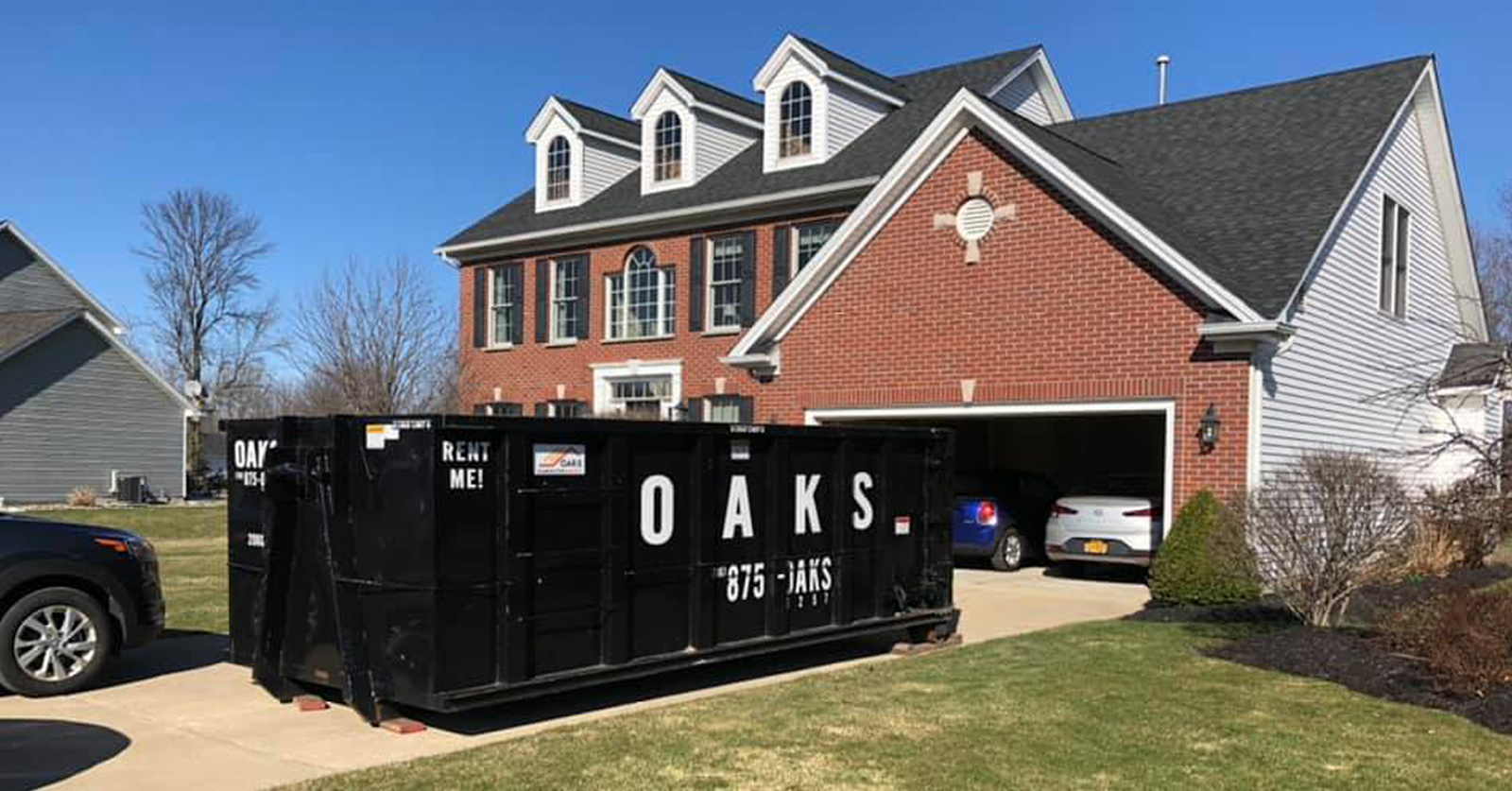
To help reduce the risk of sinking or property damage, dumpsters are typically placed on stable, solid surfaces such as driveways, paved areas, or compacted roads whenever possible. In some cases, the rental company may recommend placing the dumpster closer to the main road rather than deeper into the property. While this may be less convenient, it can help protect both the delivery equipment and the property itself.
Narrow Roads and Turning Radius Challenges
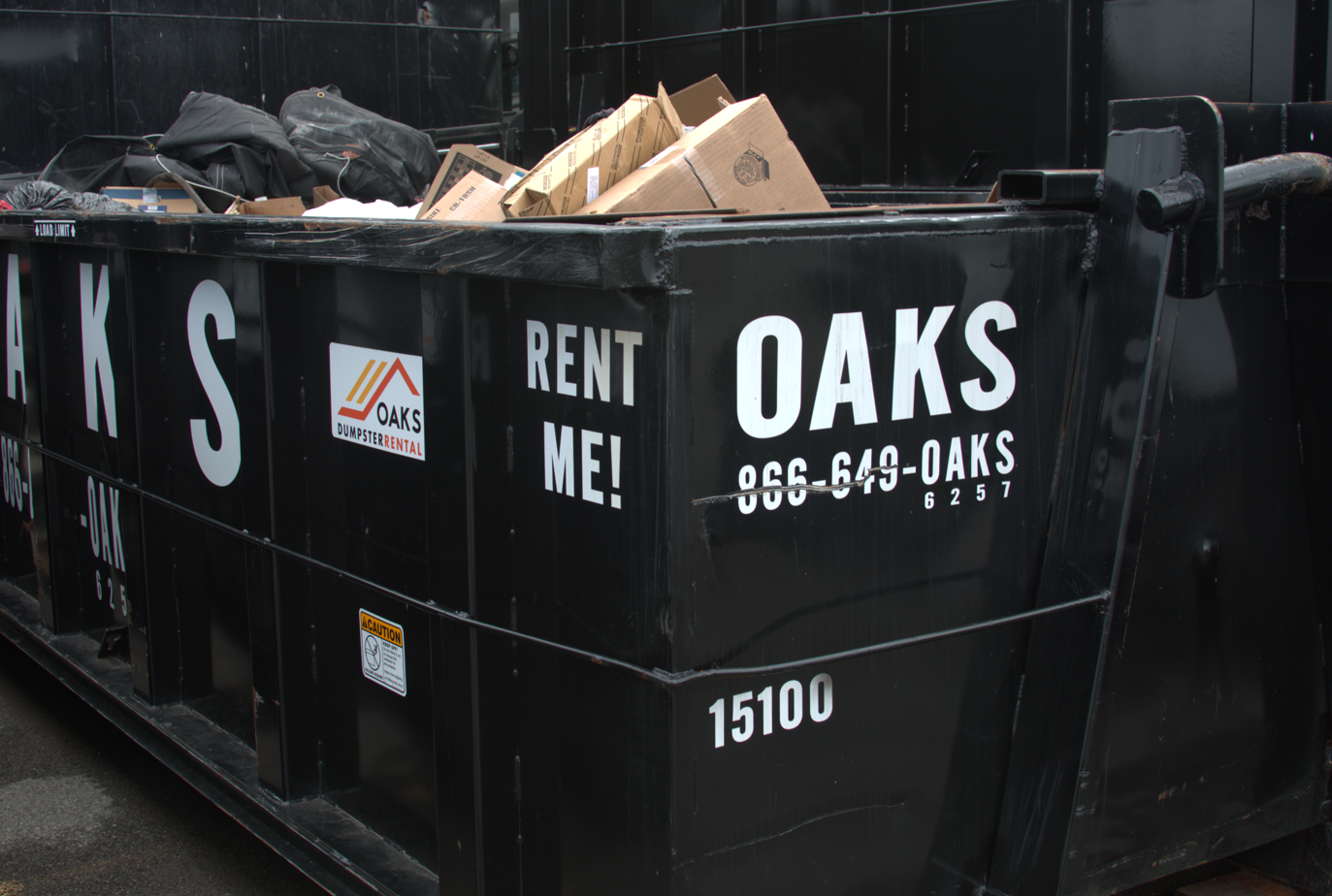
Delivering a roll off dumpster requires enough space for the truck to safely turn, back up, and position the container properly. Narrow roads, sharp corners, tree-lined driveways, and other obstacles can sometimes make placement more challenging, especially in rural or heavily wooded areas.
Low-hanging branches, fences, parked vehicles, utility poles, and uneven terrain may also affect how easily the truck can access the desired drop-off location. Because every property is different, the delivery area often needs to be carefully evaluated before placement.
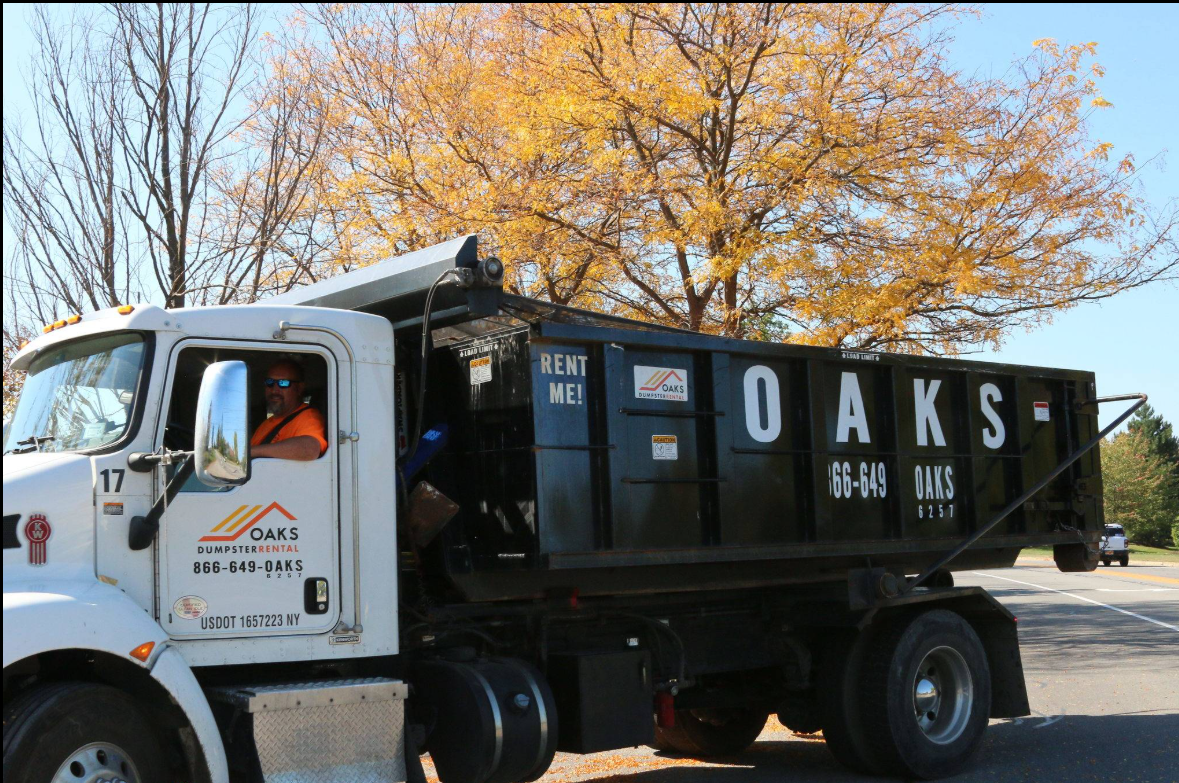
Experienced drivers, like Oaks Dumpster Rental are trained to navigate tight spaces and assess the safest, most efficient way to deliver the dumpster while minimizing disruption to the property. In some situations, slight adjustments to the placement location may be recommended to ensure a safe and successful delivery process.
Proper planning and clear access to the delivery area help ensure the dumpster can be placed as close as possible to the customer’s preferred location.
Why Ground Stability Matters
The placement location itself is just as important as the road leading to it. Dumpsters are extremely heavy once filled with construction materials, household waste, or debris removal materials. If the ground beneath the container is unstable, the dumpster can shift or sink over time.
Soft ground is especially risky after rain or during seasonal weather changes. Grass, dirt, and loose gravel may not provide enough support for a fully loaded dumpster.
Whenever possible, dumpsters should be placed on concrete, asphalt, or compacted gravel surfaces. Oaks Dumpster Rental also uses wooden boards beneath the container to distribute weight more evenly and reduce surface damage.
Good dumpster placement protects the property while also making pickup easier once the rental period ends.
Planning Ahead Makes Delivery Easier
Customers can help simplify dumpster delivery by preparing the property before the truck arrives. Clearing obstacles, trimming low branches, and identifying stable placement areas can reduce delays and improve safety.
It is also important to communicate clearly with the dumpster delivery service about road conditions, steep driveways, or access concerns. The more information drivers have beforehand, the easier it is to plan the safest and most efficient delivery route.
While many people assume dumpster delivery is straightforward, remote locations often require additional planning and experience. Dirt roads, limited access, and unstable ground all play a role in determining whether a delivery can be completed safely.
For more personalized information about dumpster rental options, delivery requirements, and remote property access, visit Oaks Dumpster Rental.
Frequently Asked Questions About Dumpster Delivery
If you are planning a dumpster delivery, the answers below can help you understand the process, timing, and what to expect.
Oaks Dumpster Rental: Quality You Can Trust
At Oaks Dumpster Rental, we offer various dumpster sizes to meet your needs. Our dedicated representatives are always here to answer questions so your rental process goes smoothly. Call or contact us today, and we’ll be happy to help. Book your dumpster today to get started!