Binghamton sits where the Susquehanna and Chenango rivers meet, and the floods of 2006 and 2011 are a reminder of what high water can do to a basement. A heavy rain, a failed sump pump, or a busted pipe can cause the same mess on a smaller scale. Once the water is out, the biggest part of basement flood cleanup is getting everything that’s ruined out of the house, and that’s where a roll-off dumpster makes the job a lot easier.
Here’s a step-by-step plan for Binghamton homeowners, built around getting the right dumpster in place and loading it the smart way.
Step 1. Get It Safe and Get the Water Out
Before anything else, make sure the basement is safe to enter. If water is near outlets, appliances, or your electrical panel, have your utility or a licensed electrician shut off the power first, and if you smell gas, leave and call the utility from outside. Wear rubber boots, gloves, eye protection, and a mask, since floodwater can carry sewage and chemicals.
Take photos and video of the damage and call your insurance company before you throw anything away. Then pump the water out gradually. If the ground outside is still saturated, FEMA recommends removing about a foot of water a day so pressure from the wet soil doesn’t damage your foundation walls.
Step 2. Book Your Dumpster Before the Tear-Out Starts
Mold can start growing within 24 to 48 hours, so wet carpet, drywall, and furniture need to come out fast. Having a dumpster in your driveway before you start means you can carry debris straight from the basement to the container instead of piling soggy materials in the garage or yard while you figure out where it’s all going.
After a widespread storm, a lot of your neighbors may be calling at the same time, so it pays to reach out as soon as you know you’ll need one.
Step 3. Choose the Right Size for Wet Debris
Soaked drywall, carpet, and insulation weigh far more than they do dry, so size matters more here than on a typical cleanout. Here's a general guide to get you started.
- 12 or 15 yard for a partly finished basement with some carpet, boxes, and furniture
- 20 yard for a fully finished basement where the drywall, flooring, and furniture all have to go
- 30 or 40 yard for bigger losses, like a large basement plus water damage on the first floor
Overweight fees can apply, so tell us what’s going on when you call and we’ll help you land on the right size the first time. With upfront, transparent pricing, you’ll know where you stand before the dumpster arrives.
Step 4. Know What Can and Can’t Go In
Most of what comes out of a flooded basement can go right in the dumpster, including wet drywall, carpet and padding, insulation, paneling, flooring, and furniture. Mattresses and drained appliances without refrigerant, like washers and dryers, are accepted too, though they may carry an extra fee.
A few things have to stay out. That includes anything with refrigerant, like refrigerators, freezers, air conditioners, and dehumidifiers, along with tires, paint, household chemicals, and other hazardous materials. Debris from a sewage backup can’t go in the dumpster either, and that kind of cleanup is best left to a professional remediation company.
Step 5. Set Up the Dumpster for Easy Loading

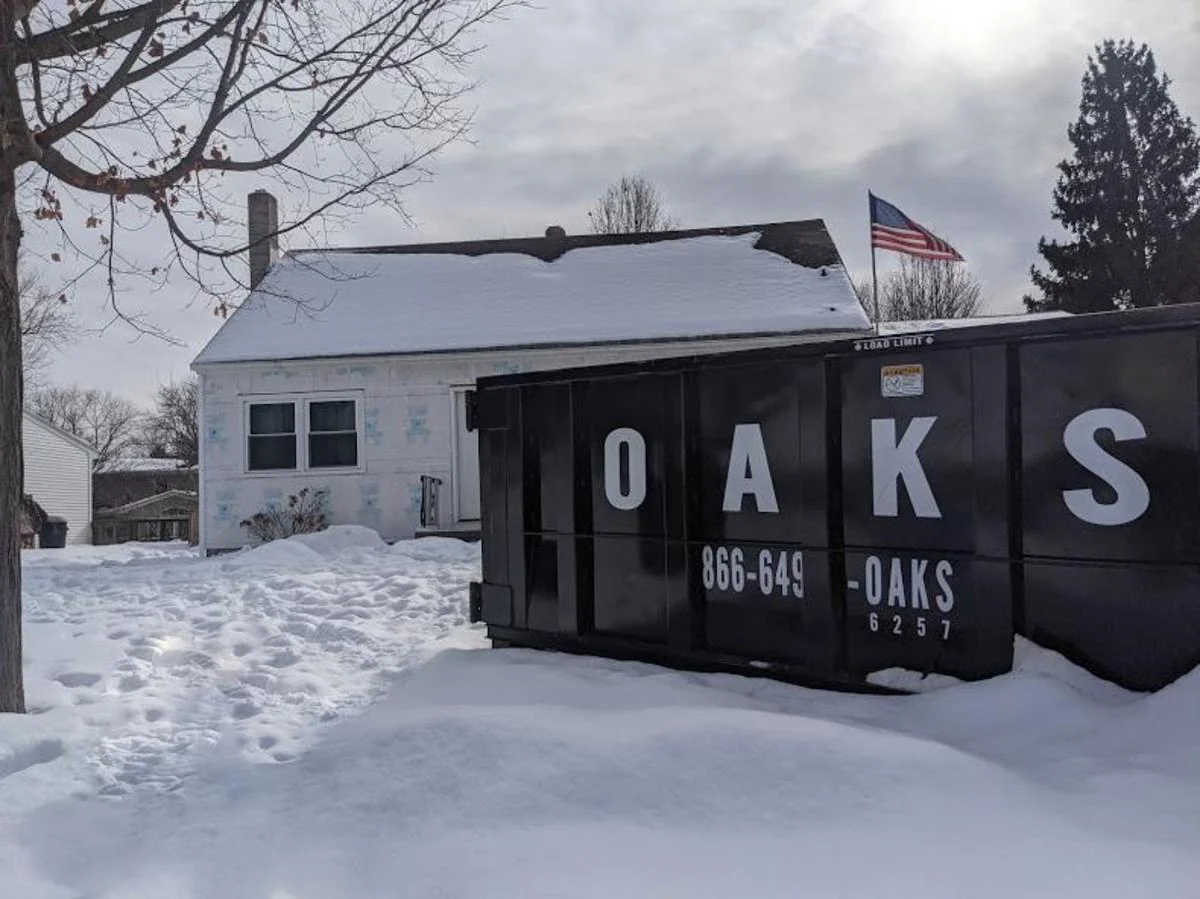
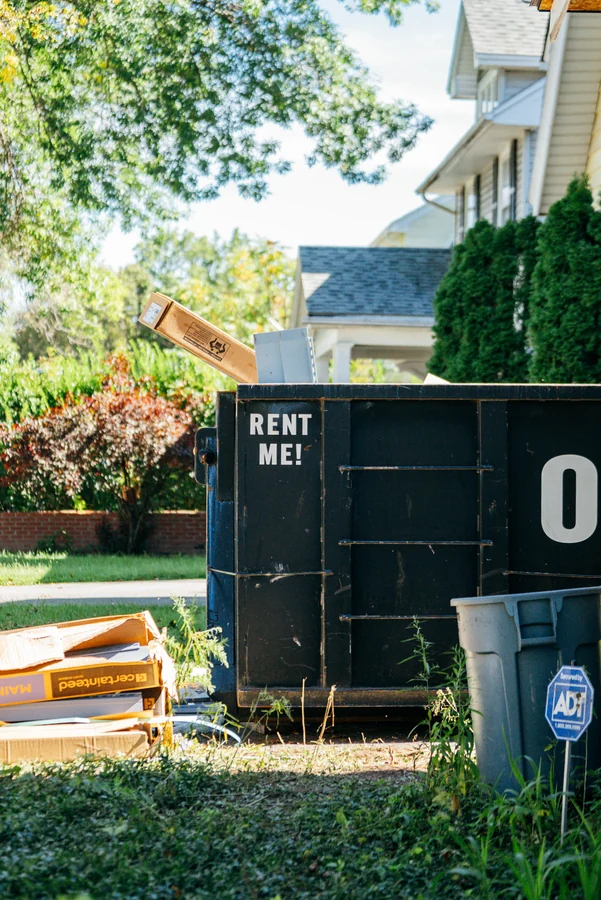
We’ll place your dumpster in the driveway, ideally close to the door or bulkhead you’ll be carrying debris through. Our drivers lay wooden boards under the rails and rollers on every delivery to help protect your driveway, so there’s nothing you need to supply. If you’d rather have it on the street, check with the City of Binghamton first.
Step 6. Tear Out and Load as You Go
This is where the dumpster earns its keep. Pull up wet carpet and cut it into strips you can roll up and carry, then remove the pad underneath, since it can't be saved. For drywall, make a flood cut at least 12 inches above the highest water line, then remove the wet insulation and baseboards behind it so the walls can dry.
These loading tips will help you fit more and stay safe.
- Lay flat, heavy pieces like drywall and paneling along the bottom first
- Break down furniture and shelving so it doesn’t leave empty pockets
- Spread the weight evenly instead of piling it in one corner
- Keep everything at or below the top edge of the container
Step 7. Dry Out the Basement and Schedule Pickup
With the wet materials gone, run fans and dehumidifiers and scrub hard surfaces with soap and water before disinfecting. Never mix bleach and ammonia. Once the last of the debris is loaded, give us a call and we’ll haul the dumpster away, leaving you with a clean slate to start rebuilding.
Oaks Dumpster Rental: Quality You Can Trust
At Oaks Dumpster Rental, we offer various dumpster sizes to meet your needs. Our dedicated representatives are always here to answer questions so your rental process goes smoothly. Call or contact us today, and we’ll be happy to help. Book your dumpster today to get started!