If you own rental property in Syracuse, you know turnover season has a way of sneaking up on you. One week the lease is still running, and the next you’re standing in an empty unit with a couch on the porch, a closet full of hangers, and a new tenant arriving in a few weeks. A smooth rental turnover comes down to planning, and a big part of that plan is knowing where everything left behind is going to go.
At Oaks Dumpster Rental, we work with landlords and property managers across the Syracuse area who need a fast, dependable way to clear out units between tenants. This guide walks through how to plan a rental property cleanout, what tenants tend to leave behind, how to choose the right dumpster size, and a tenant turnover checklist you can use from move-out day to move-in day.
Why Rental Turnover in Syracuse Has Its Own Rhythm
Syracuse is a college town as much as it’s a city. Syracuse University, SUNY ESF, and Le Moyne bring thousands of students to the area every year, and many of them move off campus after their first couple of years. Neighborhoods like University Hill and Westcott are full of student housing, from single-family homes and duplexes to larger apartment buildings.
That creates a turnover calendar most local landlords know well. Many student leases wrap up in late spring, so a lot of apartments empty out in the same short window. If you manage student housing in Syracuse, you may be turning over several units at once, sometimes with only a few weeks between one group moving out and the next moving in.
Beyond the student market, landlords across the city manage duplexes and small multi-unit buildings that turn over throughout the year. Whether you have one unit or twenty, the same basics apply. The sooner you plan the cleanout, the less likely it is to hold up repairs, cleanings, and showings.
Plan Your Rental Property Cleanout Before Move-Out Day
A move-out cleanout goes much faster when the dumpster is already in place and you know the order of work. A few weeks before a lease ends, take care of these steps.
- Confirm the move-out date - Check in with your tenants about when they’ll be out and what they plan to take with them. Some tenants leave furniture behind on purpose, especially in furnished units or when they’re moving far away.
- Schedule a walkthrough - A quick look at the unit gives you a rough idea of how much will be coming out, which makes it easier to pick a dumpster size.
- Line up your crew - Get painters, cleaners, and any repair contractors on the calendar so they can start as soon as the unit is empty.
- Book your dumpster early - Turnover season is busy for everyone, so booking ahead gives you the best shot at delivery on the day you want.
Timing matters too. Having the dumpster arrive on move-out day or right after means you can start hauling right away, before debris piles up in the unit or on the curb. If you’re turning over more than one unit at the same property, one dumpster can often handle the whole building.
What Tenants Usually Leave Behind
Every apartment cleanout is a little different, but landlords tend to see the same things over and over.
- Furniture - Couches, futons, desks, dressers, bed frames, and flimsy shelving are some of the most common leftovers. In student housing, pieces often get handed down from one group to the next until someone finally leaves them behind for good.
- Mattresses and box springs - These show up in almost every student turnover and take up more room than most people expect.
- Household odds and ends - Clothing, bedding, dishes, lamps, decorations, rugs, and boxes that never made it into the moving truck.
- Overflow trash - Bags of recycling that piled up during the last week of the lease.
- Worn-out fixtures and finishes - If you’re replacing stained carpet, broken blinds, old light fixtures, or damaged cabinets during the turnover, that material can go in the same dumpster.
One thing to handle separately is food. Spoiled food left in the fridge or cabinets should be bagged and set out with your regular trash pickup, since food waste can’t go in the dumpster.
What Can and Can’t Go in the Dumpster
Most of what comes out of a rental turnover can go straight into a roll-off, but a few items need extra attention. Sorting them out before loading saves you time and keeps surprises off your bill.
Accepted
- Furniture of all kinds, including couches, chairs, tables, dressers, and bed frames
- Clothing, bedding, boxes, and general household items
- Carpet, flooring, drywall, cabinets, and other light renovation debris
- Mattresses and box springs (may carry extra fees)
Not accepted
- Refrigerators, freezers, air conditioners (including window units), and dehumidifiers, since they contain refrigerant
- Tires
- Paint, chemicals, cleaning products, and other flammable, toxic, or hazardous materials
- Food waste
- TVs and computers
Window AC units are worth a second look during every walkthrough, since they’re easy to miss and can’t go in the dumpster. Set them aside with any old fridges so they can be handled separately.
Choosing a Dumpster Size for an Apartment Cleanout
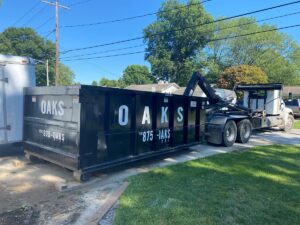
The right size depends on how many units you’re clearing and whether any renovation work is happening at the same time. We offer 12, 15, 20, 30, and 40 yard dumpsters, and here’s how they line up with typical rental turnovers/
12 or 15 yard
A good fit for a single smaller unit with a few pieces of furniture, some bags of trash, and general household leftovers. If the tenants took most of their belongings with them, this size usually has plenty of room.
20 yard
The size we recommend most often for a full apartment cleanout or a whole house that’s been lived in by a group. It also handles a turnover that includes light updates like new flooring, cabinets, or drywall patching.
30 or 40 yard
Best for turning over several units at once, clearing out a large student house, or pairing a cleanout with a bigger renovation. On jobs like these, starting with a larger dumpster saves you the cost and hassle of a second pickup.
A few things to keep in mind when you’re estimating.
- Furniture and mattresses add up fast - Bulky items take up more space in a dumpster than they seem to in a room.
- Renovation debris doesn’t compact - Drywall, flooring, and lumber fill space differently than bags and boxes, so a mixed turnover often needs more room than a straight cleanout.
- Weight counts as well as volume - Heavy materials can push a load past its weight limit, and overweight fees can apply. We offer upfront, transparent pricing, so you’ll know what’s included before delivery.
Not sure where your project lands? Give us a call and we’ll help you figure it out.
Placing a Dumpster at a Syracuse Rental
The driveway is usually the best spot for a dumpster at a rental property. It keeps the container off the street and close to the door, so loading goes quickly. If you’re thinking about placing a dumpster on the street, make sure to check with the City of Syracuse first to learn what they allow.
At duplexes and multi-unit buildings, the driveway is often shared. Give any tenants who are staying a heads-up about delivery day so their cars aren’t blocked in, and make sure the truck has a clear path to drop the container. You don’t need to worry about protecting the pavement, either. Our drivers lay wooden boards under the rails and rollers on every delivery.
A Tenant Turnover Checklist for Syracuse Landlords
Use this tenant turnover checklist to keep each unit moving from one lease to the next.
A Few Weeks Before Move-Out
- Confirm the move-out date with your tenants.
- Walk through the unit to get a sense of what will be left behind.
- Book your dumpster and pick a delivery date.
- Schedule cleaners, painters, and any repair work.
Move-Out Day
- Make sure the driveway is clear for delivery.
- Do a final walkthrough once the tenants are out.
- Set aside fridges, AC units, TVs, computers, tires, paint, and chemicals so they stay out of the dumpster.
- Bag up any food and put it out with your regular trash.
The Cleanout
- Start with the biggest items, like furniture and mattresses, and load them first.
- Break down boxes and furniture where you can to save space.
- Pull out any carpet, flooring, or fixtures you’re replacing.
- Spread heavy debris evenly across the dumpster and keep everything below the top edge.
Before Move-In
- Schedule your dumpster pickup once the unit is cleared.
- Finish cleaning, painting, and repairs.
- Do a final inspection so the unit is ready for your next tenants.
Turning Over Several Units at Once
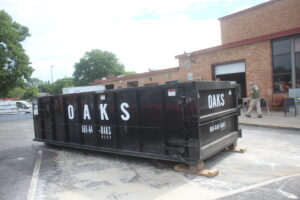
If you own a student house with several bedrooms or a building with multiple apartments, apartment turnover season can mean clearing out a lot of space in a short time. A little coordination keeps the work from stalling.
- Group units by property - When several units at the same address empty out around the same time, one larger dumpster is usually easier and more cost-effective than ordering a separate container for each unit.
- Stagger the work - Clear the units with the most left behind first, then move on to the lighter ones while cleaners and painters follow behind you.
- Share your timeline with us up front - Let us know how many units you’re turning over and when, and we’ll help you plan the right size and schedule for the job.
Make Your Next Syracuse Rental Turnover Easier
A rental turnover doesn't have to turn into a scramble. With a plan in place and a dumpster in the driveway, you can clear out each unit quickly and get it ready for your next tenants on schedule.
Oaks Dumpster Rental offers dependable dumpster rental in Syracuse, NY, with upfront, transparent pricing and on-time delivery. Call us at 866-649-6257 or visit our Syracuse dumpster rental page to book your dumpster today.
Oaks Dumpster Rental: Quality You Can Trust
At Oaks Dumpster Rental, we offer various dumpster sizes to meet your needs. Our dedicated representatives are always here to answer questions so your rental process goes smoothly. Call or contact us today, and we’ll be happy to help. Book your dumpster today to get started!